
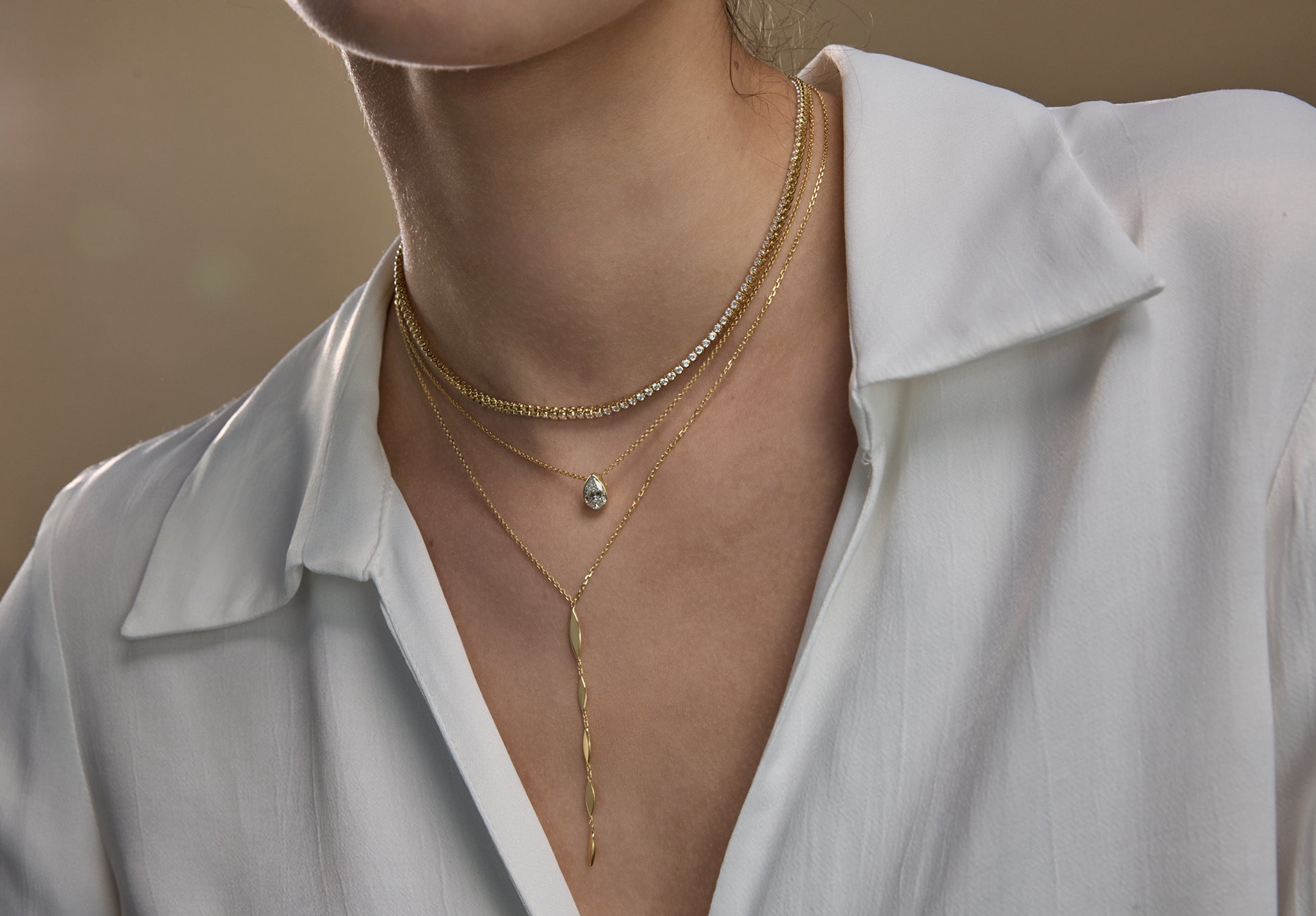
10K Gold vs 14K Gold Jewelry: Which Offers Better Value in 2026?
When browsing or buying jewelry, you might have noticed multiple metal choices and their variants, especially for gold. If you have wondered about what they actually mean and what difference they make in jewelry, you aren’t alone.
The metal you choose plays an essential role; it holds the stone, defines the look against the skin, and determines the jewel's durability. It also directly affects the price tag, which is why weighing 10K gold vs 14K gold matters when you are trying to find diamond jewelry within a specific budget. Understanding these differences helps you decide whether to invest in 10K gold jewelry or 14K gold pieces.
10K Gold vs 14K Gold: Understanding the Key Differences
-
The Composition
Pure gold is naturally soft and can be easily bent or warped out of shape just from regular handling. To make it strong enough to be worn, jewelers blend pure gold with durable alloys such as copper, silver, and zinc. The percentages of these alloys define the karat of the gold.
The karat number tells you the exact ratio of the metals used. 14K goldmain jewelry, the piece consists of 58.3% pure gold and 41.7% alloy metals. In comparison, 10K gold jewelry contains 41.7% pure gold and 58.3% alloy. It is this balance of elements that sets the foundation for how both metals perform.
-
Price and Value
Gold jewelry pricing is directly tied to the amount of pure metal inside, which means 14K pieces always command a higher price than lower karats. A 10K gold jewelry price is inherently lower due to its composition, making it an accessible entry point into solid gold without sacrificing quality.
Long-term return value introduces an asset benefit that applies to any type of gold. Because gold prices historically appreciate, both 10K and 14K jewelry serve as reliable stores of wealth that retain real intrinsic value over time. Since the financial return is closely tied to the initial investment, both options are excellent choices.
-
Everyday Durability
10K gold contains a higher percentage of alloying metals, which makes it exceptionally hard and scratch-resistant. While 14K gold jewelry is certainly durable, it is slightly softer and prone to minor scuffs simply because it contains more pure gold.
If you are looking for a piece you can wear 24/7 without constantly worrying about, 10K gold is a clear choice. A daily 10K gold necklace or lab diamond bracelet can handle the bumps, gym sessions, and hectic schedules of a busy lifestyle while keeping its shape perfectly. For occasional pieces, 14K offers a premium option with enough durability.
-
Visual Appeal
When it comes to the actual look of these metals, the variation is all about the warmth of the tone. With a high percentage of pure gold, the 14K variety carries a rich, deep yellow hue that offers a traditional look. 10K gold delivers a bright, elegant, and slightly cool golden tone that looks fresh and modern.
If you are looking at them side by side under a jeweler's loupe, the color difference is noticeable, but in the real world, the distinction becomes nearly invisible. On the skin, a 10K gold pendant catches the light as much as a 14K gold pendant does. It gives you a classic gold appearance, helping you get the look you love.
-
Long-Term Care
Exposure to the elements affects lower-karat and higher-karat golds differently over time. Because 10K gold contains a majority percentage of base alloy metals, it reacts easily with environmental factors. In everyday conditions, it is more prone to minor tarnishing or dulling when exposed to prolonged moisture, sweat, or harsh chemicals.
A higher purity level gives 14K gold a distinct advantage in environmental resistance. Pure gold is an inert metal, meaning it does not oxidize or tarnish naturally. Since 14K gold contains a higher proportion of this inert, pure metal, it retains its original luster longer and requires less maintenance, making it highly resistant to the chemicals found in daily lotions or soaps. Both metals will last a lifetime, but 10K pieces require regular polishing to prevent tarnishing, whereas 14K gold jewelry is relatively low-maintenance.
Choosing Your Perfect Match
Both 10K and 14K gold jewelry offer distinct advantages and drawbacks. In 2026, the right metal choice depends on what you value and prioritize most. No matter which metal composition fits your daily routine, Von Diamonds offers a wide range of lab grown diamond jewelry crafted in both 10K and 14K gold variations. We offer the top quality 10K jewelry pieces at the best price point with our direct factory approach. Without any middleman or markup cost we make sure you get value for your money.


Leave a comment
This site is protected by hCaptcha and the hCaptcha Privacy Policy and Terms of Service apply.